
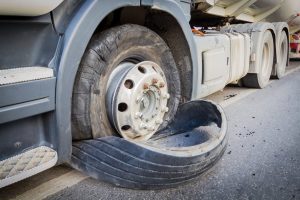
Trailer tire failures are one of the leading causes of roadside breakdowns, delayed deliveries, and costly emergency service calls. Unlike steer tires on a truck, trailer tires do not provide warning through steering feedback. When a trailer tire fails, it often happens suddenly and with serious consequences.
Understanding the most common causes of trailer tire failure can help you prevent dangerous blowouts and protect your equipment, cargo, and drivers.
Underinflation
Underinflation is the number one cause of trailer tire blowouts. When a tire does not have the proper air pressure, it flexes excessively. This creates heat buildup inside the tire casing. Over time, the internal structure weakens, leading to tread separation or sudden failure.
Monthly pressure checks are not enough. Tires should be checked regularly, especially during temperature changes. Installing a tire pressure monitoring system can also provide real-time alerts before a minor issue turns into a roadside emergency.
Overloading
Every trailer tire has a specific load rating. Exceeding that rating puts excessive stress on the tire structure. Overloading often leads to sidewall damage, tread separation, and rapid wear.
Fleet managers should ensure that cargo weight is distributed properly and that the trailer is equipped with tires rated for the load it regularly carries. Even weight distribution across axles is critical to avoid uneven stress.
Improper Alignment
Axle misalignment is a silent tire killer. When axles are not properly aligned, tires scrub against the road surface rather than rolling smoothly. This causes rapid, uneven tread wear and weakens the tire casing.
If you notice feathering, cupping, or uneven tread depth, alignment should be inspected immediately. Regular alignment checks as part of preventive maintenance can significantly extend tire life.
Worn Suspension Components
Suspension systems and tires work together. Worn bushings, damaged springs, or weak shocks allow excessive bouncing and vibration. This constant movement increases heat and stress on the tire.
Inspecting suspension components monthly helps prevent tire damage caused by instability. Replacing worn parts early reduces long-term costs and improves overall safety.
Road Hazard Damage
Trailer tires are exposed to road debris, potholes, and sharp objects. Small punctures or sidewall cuts may not cause immediate failure, but they weaken the tire structure. Over time, these weak points can expand into full-blown blowouts.
Routine inspections should include checking sidewalls for bulges, cuts, and embedded debris. Any tire showing structural damage should be replaced immediately.
Aging Tires
Even if the tread depth looks acceptable, trailer tires age over time. Rubber compounds degrade due to heat, UV exposure, and environmental conditions. Older tires become brittle and more prone to cracking and sudden failure.
Checking tire manufacturing dates and replacing aging tires before visible failure occurs is an important safety step for any fleet.
Preventing Costly Downtime
Tire blowouts do more than damage tires. They can tear up wiring, brake lines, fenders, and trailer flooring. Preventive inspections and timely replacements cost far less than emergency roadside repairs and missed delivery deadlines.
By implementing routine tire inspections, maintaining proper inflation, ensuring correct alignment, and addressing suspension issues promptly, fleets can dramatically reduce the risk of dangerous blowouts.
Proactive tire maintenance protects drivers, preserves equipment, and keeps your trailers safely on the road where they belong.