
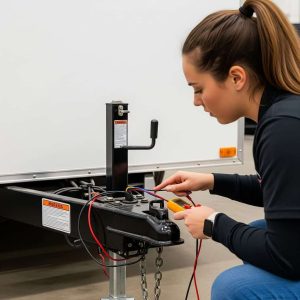
Trailer lighting and wiring are often overlooked until a problem arises—but they are crucial for safety, compliance, and preventing costly roadside emergencies. Faulty wiring or non-functioning lights can lead to accidents, traffic violations, and damage to your trailer or cargo. Understanding how to maintain, inspect, and repair trailer electrical systems is essential for every trailer owner.
Why Trailer Wiring and Lights Matter
Trailer lights serve more than just a legal purpose. They communicate your intentions to other drivers, signal stops, and illuminate your path at night. Poor wiring can lead to intermittent connections, blown fuses, or total electrical failure, increasing the risk of accidents. Additionally, wiring problems can impact other trailer components such as ABS brakes, lift gates, or refrigerated units.
Common Signs of Wiring and Lighting Issues
Here are warning signs that your trailer wiring may need attention:
- Flickering or non-functioning lights: This is often due to loose connections, corrosion, or worn wires.
- Blown fuses: Frequently blown fuses indicate a short circuit or improper wiring.
- Intermittent brake or turn signals: If your trailer signals work sometimes and fail at other times, wiring damage or grounding issues are likely.
- Visible wire damage: Cracked insulation, chafing, or exposed wires are immediate safety hazards.
- ABS or controller errors: Electrical faults can trigger ABS warning lights or cause malfunctioning of electronic control systems.
Tips for Maintaining Trailer Wiring
Regular inspection and preventive maintenance can save you time, money, and stress:
- Visual inspection: Check all wires for cracks, wear, and proper insulation. Look under the trailer for potential rubbing points.
- Secure connections: Ensure all plugs, connectors, and terminals are tight and free from corrosion. Apply dielectric grease to prevent moisture damage.
- Check fuses: Inspect fuses for proper ratings and replace any blown fuses immediately.
- Test lights regularly: Tail lights, brake lights, turn signals, and marker lights should be tested before every trip.
- Protect wiring: Use wire loom, conduit, or protective sleeves in high-traffic areas to prevent damage from road debris or moving parts.
Common Repairs
Trailer wiring repairs can range from simple fixes to full rewiring:
- Replacing broken or corroded connectors
- Replacing damaged or frayed wires
- Installing new LED or halogen lights
- Rewiring older trailers from the lights to the truck connection for long-lasting reliability
- Addressing grounding issues to prevent flickering or erratic lighting
Professional Help
While some basic maintenance can be done by owners, complex wiring repairs—especially on trailers with ABS brakes, lift gates, or specialized equipment—should be handled by experienced technicians. Professionals ensure repairs are done with water-tight, durable connections and OEM-quality parts, reducing future failures.
Properly functioning trailer wiring isn’t just about avoiding tickets—it’s about safety for you, your cargo, and everyone on the road. Routine inspections, timely repairs, and professional service keep your trailer safe and reliable.
Contact Ainsworth Trailer Repair today to schedule a full trailer wiring and lighting inspection, ensuring your trailer stays road-ready and compliant.