
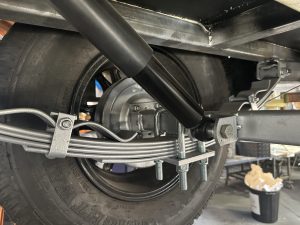
Trailer brakes are one of the most critical components for safe towing, yet they are often neglected until a problem becomes urgent. Faulty brakes not only increase stopping distances but can also lead to accidents, costly repairs, and downtime. Proper maintenance, timely inspection, and understanding the warning signs of brake issues are essential for every trailer owner.
Why Trailer Brakes Are So Important
Trailers, especially fully loaded ones, add significant weight and stress to your towing vehicle. Without properly functioning brakes, your stopping distance increases dramatically, and controlling the trailer becomes difficult. This is true for all types of trailers utility, boat, livestock, and heavy-duty construction trailers. Regular maintenance ensures your brakes remain responsive, reliable, and compliant with safety regulations.
Common Causes of Trailer Brake Problems
Understanding the root causes of brake failures can help prevent accidents and extend the life of your braking system:
- Wear and tear: Brake shoes, pads, drums, and rotors naturally wear over time due to friction.
- Contamination: Dirt, road salt, and moisture can corrode components, causing uneven braking.
- Hydraulic or air system issues: Leaks, damaged hoses, or faulty cylinders can lead to reduced braking power.
- Misalignment: Axle misalignment can cause uneven brake wear and reduce effectiveness.
- Electrical problems: On trailers with electric brakes, faulty wiring or controller issues can prevent brakes from engaging properly.
Signs Your Trailer Brakes Need Attention
Trailer owners should watch for the following warning signs:
- Increased stopping distance or brakes feeling “soft.”
- Uneven or squealing brake wear
- Pulling to one side during braking
- Vibration or shuddering through the brake pedal
- Warning lights or ABS alerts (for trailers with ABS systems)
Tips for Maintaining Trailer Brakes
Routine maintenance is key to preventing brake failures:
- Regular inspections: Check brake shoes, pads, drums, rotors, and all hydraulic or air components at least every 6,000 to 10,000 miles.
- Clean and lubricate: Remove dirt, rust, and debris from moving components and lubricate pivot points.
- Check fluid levels: For hydraulic brakes, ensure fluid levels are correct and free from contamination.
- Adjust brakes as needed: Ensure brakes are properly set to account for load weight and road conditions.
- Test before every trip: Make sure all brake lights function and brakes respond as expected.
When to Seek Professional Help
While minor adjustments can sometimes be done by experienced owners, any significant brake issues should be handled by professional trailer repair technicians. Experts can accurately diagnose problems, replace worn components with OEM-quality parts, and perform a complete brake system overhaul if necessary.
Your safety and the protection of your cargo depend on reliable brakes. Don’t wait until it’s too late—stay proactive.
Contact Ainsworth Trailer Repair today to schedule a comprehensive trailer brake inspection and repair service, ensuring every trip is safe and worry-free.