
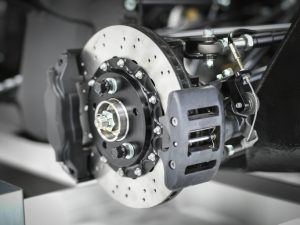
Electric vs Hydraulic Trailer Brakes in 2026: Which System Is Right for You
Choosing the right brake system for your trailer is more important than ever in 2026. With heavier loads, stricter safety inspections, and rising repair costs, the decision between electric and hydraulic trailer brakes can directly impact your safety, maintenance budget, and overall performance.
If you are unsure which system is best for your trailer, here is a practical breakdown to help you decide.
How Electric Trailer Brakes Work
Electric brakes are one of the most common systems used on utility trailers, enclosed cargo trailers, and many commercial haulers. They operate through an electronic brake controller installed in the tow vehicle. When you press the brake pedal, the controller sends power to the trailer’s brake assemblies, activating electromagnets that apply the brakes.
Electric systems are popular because they are straightforward and cost-effective. Installation is generally simpler, and parts are widely available.
Best suited for
Light to medium-duty trailers
General cargo hauling
Contractors and small business owners
Applications where cost control is important
Advantages of Electric Brakes
Electric brakes are affordable to install and repair. They are easier to diagnose when issues arise, especially wiring-related problems. Brake adjustments can also be made directly from the cab using the brake controller, giving drivers added control in different road conditions.
However, they rely heavily on proper wiring. Corrosion, loose connections, or damaged wires can quickly lead to braking issues. Routine inspections are critical to ensure safe performance.
How Hydraulic Trailer Brakes Work
Hydraulic brake systems operate using fluid pressure rather than electrical signals. When the driver presses the brake pedal, hydraulic fluid transfers pressure through lines to the trailer’s brake components. Many hydraulic systems use electric over hydraulic actuators, combining electronic signals with hydraulic force.
Hydraulic brakes are commonly used on heavier trailers, equipment haulers, and fleet applications where stopping power is critical.
Best suited for
Heavy-duty equipment trailers
Fleet operations
High load capacity applications
Frequent stop-and-go hauling
Advantages of Hydraulic Brakes
Hydraulic systems typically provide stronger and smoother braking performance. They respond quickly and deliver more consistent stopping power under heavy loads. For larger trailers carrying construction equipment or commercial freight, this added performance can make a significant safety difference.
The downside is cost. Hydraulic systems are generally more expensive to install and maintain. Repairs can also be more complex if fluid lines or actuators fail.
Which System Is Right for You
The right brake system depends on how you use your trailer.
If you operate a light to medium-duty trailer for local jobs, deliveries, or small business hauling, electric brakes are often sufficient and more budget-friendly.
If you regularly haul heavy equipment, operate in mountainous terrain, or manage a fleet where safety and performance are top priorities, hydraulic brakes may be the better long term investment.
Maintenance Still Matters Most
Regardless of the system you choose, maintenance is the key factor that determines reliability. Regular brake inspections, wiring checks, fluid evaluations, and performance testing help prevent sudden failures and costly downtime.
In 2026, safety standards continue to evolve. The smartest choice is not just electric or hydraulic. It is choosing the system that matches your workload and committing to keeping it properly maintained.
The right brake system does more than stop your trailer. It protects your investment, your cargo, and everyone on the road.