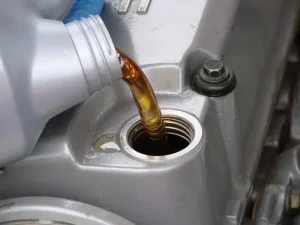
Your trailer’s engine is the heart of its operation, and the oil you use can make all the difference between smooth performance and costly breakdowns. Just like any heavy-duty vehicle, trailers operate under high stress, hauling heavy loads, climbing hills, and enduring long trips. Using the wrong oil or neglecting regular maintenance can lead to overheating, engine wear, or even complete engine failure.
Selecting the Right Oil
Trailer engines are typically heavy-duty diesel or gas engines, and each type has its own oil requirements. Always consult your manufacturer’s guidelines for recommended oil type and viscosity. Commonly used oils for trailers include synthetic blends that can handle high temperatures and provide better protection under heavy loads. The right oil reduces friction, prevents deposits from forming, and keeps the engine running efficiently, even under constant use.
Importance of Regular Oil Changes
No matter how high-quality your oil is, it will eventually degrade. Over time, heat, dirt, and metal particles can accumulate in the oil, reducing its ability to lubricate and protect your engine. Regular oil changes are essential to maintain performance and prolong the engine’s life. For most trailers, this means checking and changing oil at manufacturer-recommended intervals, or more often if you haul heavy loads frequently.
Daily Checks You Can Do
A little attention every day can prevent big problems down the road. Before each trip, check your trailer’s oil level and look for signs of contamination or unusual color. Dark, gritty, or burnt-smelling oil is a red flag that it’s time for a change. Keep an eye out for leaks, smoke, or engine noise, which may indicate that the oil is not doing its job.
Tips for Long-Term Engine Health
- Use a high-quality filter: Pair your oil with a recommended filter to prevent debris from circulating in the engine.
- Avoid overfilling: Too much oil can create pressure issues and lead to leaks or foaming.
- Monitor oil pressure: If your trailer has a gauge, low pressure can indicate thinning oil or internal problems.
- Prepare for storage: If your trailer sits idle for weeks, consider changing the oil before heavy use to prevent corrosion and sludge buildup.
Why It Matters
Proper engine oil protects your trailer, your cargo, and your bottom line. Poor lubrication can cause worn bearings, damaged pistons, and other costly repairs that could have been avoided with routine maintenance.
At Ainsworth Trailer Repair, we help trailer owners select the right oil, monitor engine health, and perform professional maintenance to keep engines running smoothly. Taking care of your engine now saves you from expensive repairs later and ensures your trailer is ready for the road whenever you are.