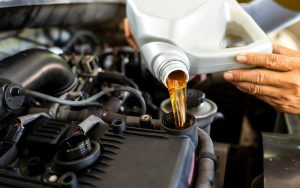
When it comes to trailer maintenance, the type of engine oil you use is more important than many operators realize. The right oil ensures that your trailer engine runs efficiently, reduces wear and tear on vital components, and extends the life of your vehicle. Using the wrong oil, on the other hand, can lead to overheating, corrosion, and premature engine failure.
Why Engine Oil Matters for Trailers
Trailer engines, especially those in heavy-duty and long-haul vehicles, operate under intense conditions. Constant hauling, high torque, and prolonged idling put tremendous stress on the engine. Engine oil lubricates moving parts, reduces friction, dissipates heat, and keeps contaminants from building up. Over time, oil breaks down, losing its effectiveness. Choosing the right oil type and changing it on schedule is key to preventing costly repairs.
Types of Engine Oil
There are three main types of oil to consider: conventional, synthetic blend, and full synthetic. Conventional oil is the basic choice, suitable for light-duty trailer engines and older models. Synthetic blend oils offer better performance under higher temperatures and heavier loads, making them ideal for mixed-use trailers. Full synthetic oils provide superior lubrication, resistance to breakdown, and excellent cold-start performance, making them the preferred choice for modern, high-performance, and long-haul trailer engines.
Consider the Viscosity
Viscosity refers to how thick or thin the oil is and is indicated by numbers like 15W-40 or 10W-30. Lower first numbers indicate better performance in cold starts, while higher second numbers help maintain lubrication at high operating temperatures. Always consult your engine manufacturer’s recommendations to select the correct viscosity for your trailer engine.
Maintenance Tips
Check oil levels regularly, especially before long trips. Look for signs of contamination such as dark, gritty, or frothy oil. Follow the recommended oil change intervals to keep your engine performing at its best. Don’t forget to replace oil filters along with each oil change to prevent debris from circulating in your engine.
Final Thoughts
Choosing the right engine oil is one of the simplest yet most effective ways to protect your trailer engine. Whether you use conventional, synthetic blend, or full synthetic oil, regular maintenance and monitoring will ensure your trailer stays on the road longer, runs smoother, and avoids unexpected breakdowns. Proper lubrication isn’t just about performance; it’s about peace of mind and keeping your trailer investment protected.