
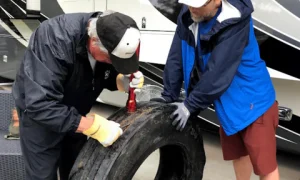
Trailer tires are often overlooked until a problem arises, but they are one of the most critical safety components for any trailer. Worn, misaligned, or improperly inflated tires can lead to blowouts, uneven wear, and serious accidents. Taking proactive steps to protect your trailer tires not only saves money but also keeps drivers, cargo, and other motorists safe.
Regular Tire Inspections
The first step in tire care is regular inspections. Check for visible signs of wear, cracks, bulges, or embedded debris. Uneven wear patterns often indicate alignment or suspension issues that need correction. Daily or weekly visual checks can catch problems before they become emergencies, especially for trailers that see heavy or frequent use.
Maintain Proper Tire Pressure
Underinflated or overinflated tires can drastically shorten tire life and increase the risk of blowouts. Use a quality gauge to monitor tire pressure regularly, adjusting according to manufacturer specifications. Remember that temperature changes affect pressure, so check tires more frequently during seasonal transitions.
Rotate and Balance Tires
Rotating your trailer tires ensures even wear across all axles, extending the overall lifespan of your tires. Balancing is equally important for trailers carrying heavy loads or towing long distances, as unbalanced tires can cause vibrations that damage suspension components and increase wear on tires.
Avoid Overloading
Exceeding a trailer’s maximum load rating is a common cause of tire failure. Heavy loads put stress on tires and can cause overheating, leading to tread separation or blowouts. Always check the trailer’s gross vehicle weight rating (GVWR) and distribute cargo evenly to avoid excess stress on any single tire.
Protect Tires from the Elements
Exposure to sunlight, road salt, and chemicals can accelerate tire deterioration. Whenever possible, store trailers in a covered area or use tire covers to protect from UV rays. After the winter months, rinse tires to remove salt and debris that can cause corrosion or cracking.
Choose the Right Tires
Investing in quality trailer tires suited for your load type and road conditions pays off in longevity and performance. Heavy-duty, all-weather, or specialty tires are worth considering for frequent hauls or extreme climates. Using the correct tire type also improves safety and reduces fuel costs due to proper rolling resistance.
Conclusion
Trailer tires are a small component with a big impact. Regular inspections, proper inflation, rotation, load management, and protection from the elements are essential steps to prevent costly blowouts and unsafe conditions. For commercial operators and recreational trailer owners alike, maintaining tires is an investment in safety, efficiency, and peace of mind.
Taking these proactive steps helps ensure every trip is smooth, secure, and worry-free, keeping your cargo intact and your trailer performing at its best. Regular tire care can prevent accidents, reduce downtime, and save money in the long run.