
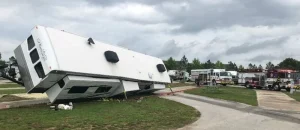
Your trailer works hard year-round. But no matter how well-built it is, constant exposure to weather can slowly cause serious damage. From scorching sun to freezing temperatures, rain, snow, and road salt, the elements take a toll on every component of your trailer.
Understanding how weather affects your trailer and what you can do to prevent long-term damage can save you thousands in repairs and unexpected downtime.
Sun and Heat Damage
Intense sunlight and high temperatures may not seem harmful at first, but over time, they can cause significant wear. UV rays break down rubber seals, dry out door gaskets, and cause roof materials to crack. Paint fades, protective coatings weaken, and plastic components become brittle.
Inside enclosed trailers and box trucks, extreme heat can also warp panels and weaken adhesives.
What you can do
Regularly inspect roof seams and seals
Apply UV protective coatings when needed
Keep rubber components conditioned
Park in shaded or covered areas when possible
Rain and Moisture Issues
Water is one of the biggest threats to trailer longevity. Even small leaks can lead to major structural problems. Moisture can seep into wooden floors, causing rot and soft spots. Metal framing and fasteners can begin to rust. Electrical systems may short out due to corrosion.
Water intrusion often starts at roof seams, corner caps, door seals, or around rivets and fasteners.
What you can do
Check roof seams and reseal when necessary
Inspect floors for soft spots or discoloration
Repair small leaks immediately before they spread
Keep drainage areas clear
Snow and Freezing Temperatures
Cold weather creates its own set of problems. Freezing temperatures can cause metal to contract and expand repeatedly, loosening fasteners and stressing welds. Ice buildup around brakes, axles, and suspension components can accelerate wear.
Salt used on winter roads is especially damaging. It clings to undercarriages and promotes rust, particularly on axles, brake lines, and suspension parts.
What you can do
Wash the undercarriage regularly during winter
Inspect brake components more frequently
Check for rust on frames and axles
Lubricate moving parts to prevent stiffness
Wind and Storm Damage
Strong winds and severe storms can damage roof panels, corner caps, and doors. Flying debris may dent body panels or crack lights. Even if damage looks minor, small structural weaknesses can grow over time.
What you can do
Inspect after severe storms
Repair dents or loose panels quickly
Replace damaged lighting immediately
The Hidden Cost of Ignoring Weather Damage
Small weather-related issues rarely stay small. A minor roof leak can turn into a full floor replacement. Surface rust can become structural frame damage. Cracked seals can lead to expensive cargo loss.
Preventive maintenance is far less expensive than major repairs. Regular inspections, especially after seasonal changes, help catch issues early and protect your investment.
Protecting Your Trailer Long Term
The best strategy is proactive care. Schedule seasonal inspections. Address minor leaks, rust spots, and worn seals before they become major problems. Clean your trailer regularly, especially after winter driving. Store it properly whenever possible.
Your trailer faces the elements every day. With consistent maintenance and quick attention to small issues, you can extend its lifespan, reduce repair costs, and keep it reliable no matter what the weather brings.