For any trailer owner or fleet manager, safety and compliance are not optional. Department of Transportation inspections play a critical role in keeping commercial trailers safe, roadworthy, and legally compliant. Ignoring routine DOT inspections can lead to fines, out-of-service violations, delayed shipments, and even serious accidents.
Understanding why regular DOT inspections matter can help protect your equipment, your drivers, and your business reputation.
What a DOT Inspection Covers
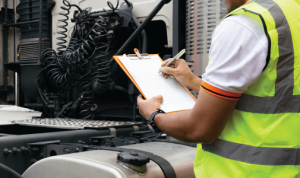
A DOT inspection evaluates the overall condition of a trailer to ensure it meets federal and state safety standards. While inspection levels may vary, common areas reviewed include:
Braking systems
Suspension components
Tires and wheels
Lighting and electrical systems
Coupling devices
Frame integrity
Reflectors and conspicuity tape
Emergency equipment
Even small defects, such as inoperative marker lights or minor air leaks, can result in violations. More serious issues, like worn brake components or damaged frames, can place a trailer out of service immediately.
Preventing Out-of-Service Violations
An out-of-service order can be extremely costly. When a trailer is sidelined, deliveries are delayed, schedules are disrupted, and customers are affected. In many cases, emergency roadside repairs cost significantly more than routine preventive maintenance.
Regular DOT inspections allow you to identify and correct problems before they lead to citations or shutdowns. Addressing minor wear and tear early prevents more extensive damage and keeps your fleet moving efficiently.
Improving Safety on the Road
Trailers endure heavy loads, rough road conditions, and constant vibration. Over time, critical systems wear down. Brake components thin, suspension parts loosen, wiring corrodes, and tires weaken.
Routine inspections ensure that braking systems respond properly, lights remain visible in all conditions, and structural components remain secure. This reduces the risk of accidents caused by mechanical failure.
A well-maintained trailer not only protects your driver but also other motorists sharing the road.
Protecting Your CSA Score and Reputation
Compliance issues do not just affect one trip. Violations can impact your company’s safety rating and Compliance Safety Accountability score. Poor inspection results may lead to increased scrutiny, higher insurance premiums, and lost business opportunities.
Regular inspections demonstrate a commitment to safety and professionalism. Customers are more likely to trust companies that maintain clean inspection records and prioritize safe operations.
Supporting Long-Term Cost Control
Preventive DOT inspections are an investment in long-term savings. Catching worn brake shoes before they damage drums, identifying small air leaks before compressor failure, or correcting alignment issues before tire destruction can significantly reduce repair expenses.
Scheduled inspections also help with budgeting. Rather than facing unexpected large repairs, fleet managers can plan maintenance cycles and control costs more effectively.
Building a Preventive Maintenance Culture
The most successful fleets treat DOT inspections as part of a broader preventive maintenance strategy. Instead of waiting for annual inspections or roadside checks, they schedule regular in-shop evaluations to stay ahead of potential violations.
By committing to consistent inspections, trailer owners reduce risk, increase reliability, and maintain compliance with confidence.
Regular DOT inspections are not just about passing a checklist. They are about protecting lives, preserving equipment, and ensuring your trailers remain safe, legal, and productive every mile of the journey.