
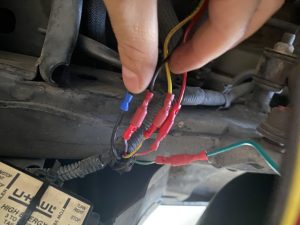
Trailer lighting and wiring systems are often overlooked until something stops working. However, faulty lights or damaged wiring can quickly turn into serious safety hazards, costly violations, and preventable accidents. Whether you operate a single trailer or manage an entire fleet, keeping your lighting and electrical systems in proper condition is essential for safe and compliant operation.
Why Trailer Lighting Matters More Than You Think
Trailer lights are your primary method of communication on the road. Brake lights signal stops. Turn signals indicate lane changes. Marker lights and reflectors improve visibility at night and during poor weather conditions.
When any of these systems fail, other drivers may not have enough warning to react properly. A simple burned-out brake light can increase the risk of rear-end collisions. Dim or non-functioning marker lights reduce visibility in low-light conditions, making your trailer harder to see.
Beyond safety, lighting violations are among the most common reasons trailers are pulled over or cited during roadside inspections.
Common Trailer Lighting Issues
Several issues frequently affect trailer lighting systems:
Corroded wiring connections
Frayed or exposed wires
Loose ground connections
Blown fuses
Water intrusion in light housings
Damaged or cracked light lenses
Trailers are exposed to rain, snow, road salt, and debris. Over time, moisture and corrosion weaken wiring connections. Repeated vibration from daily hauling can loosen electrical components, leading to intermittent failures that are difficult to diagnose.
Ignoring these small issues can lead to complete system failure.
The Hidden Dangers of Wiring Problems
Wiring problems are not just inconvenient. They can create serious hazards. Exposed wires may short-circuit, potentially causing electrical fires. Improperly repaired wiring can overload circuits and damage other electrical components.
In some cases, poor wiring can affect braking systems, especially in trailers with electric brakes. If brake wiring is compromised, stopping performance can suffer, creating dangerous driving conditions.
Routine inspections can identify worn insulation, loose connectors, and other issues before they escalate.
Preventing Breakdowns and Violations
Regular inspections of trailer lighting and wiring systems are essential. This includes checking all exterior lights, inspecting connectors and plugs, and ensuring wiring harnesses are properly secured and protected from abrasion.
Upgrading to weather-sealed connectors and quality components can significantly extend the life of your lighting system. Promptly replacing damaged lenses and repairing wiring prevents further deterioration.
Taking care of lighting issues in the shop is far more affordable than dealing with roadside repairs or citations.
Protecting Your Reputation and Safety Record
For commercial operators, lighting violations can negatively impact compliance scores and company reputation. Customers rely on dependable, professional service. A trailer sidelined for a simple lighting issue reflects poorly on fleet management.
Maintaining fully functional lighting systems demonstrates a commitment to safety and reliability.
Trailer lighting and wiring may seem minor compared to major mechanical components, but they play a critical role in road safety. Addressing issues early, investing in quality repairs, and performing routine inspections will help keep your trailer visible, compliant, and safe on every trip.